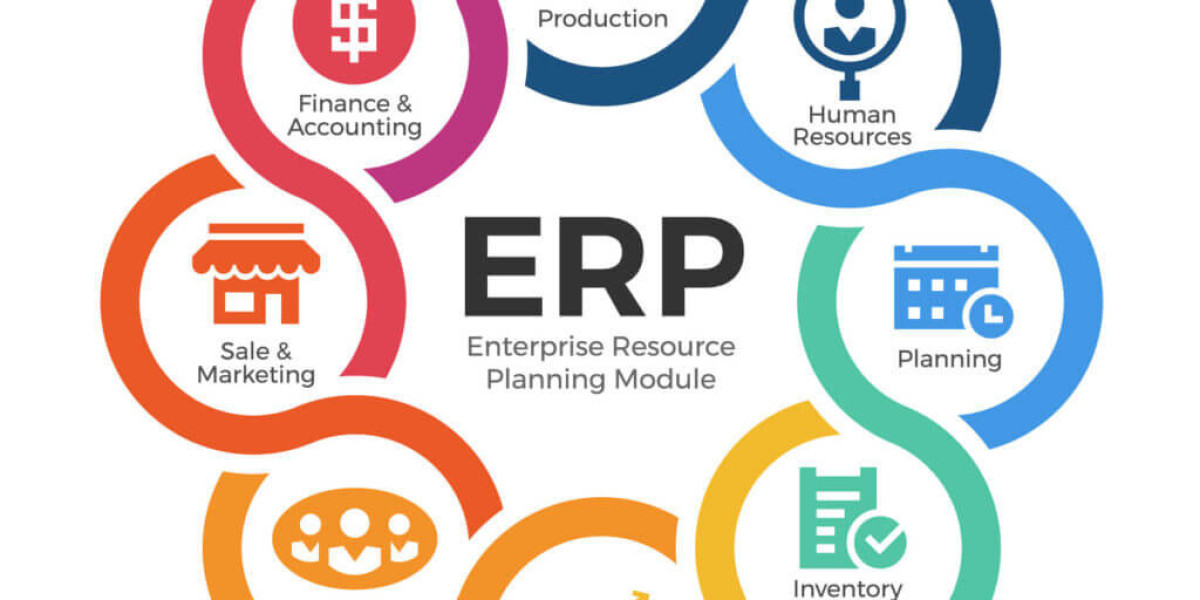

Enterprise Resource Planning (ERP) software has become an essential element of modern businesses looking to streamline operations and increase overall efficiency. By connecting various functions throughout an organization, ERP software enables seamless communication, improves data visibility, and supports informed decision-making. Companies using ERP can manage everything from finances, HR, procurement and supply chain through to project management on one unified platform - eliminating redundancies while making key information readily accessible in real time, leading to greater collaboration among departments.
ERP software offers numerous advantages that make it essential for organizations of all sizes. One such advantage is automation - automating repetitive tasks and routine workflows can minimize human error, cut operational costs, and free up more time for strategic initiatives. In addition, ERP software facilitates comprehensive reporting and analytics which give leaders insight into performance trends, identify bottlenecks, and make informed decisions with data transparency ensuring maximum efficiency and accountability within an organization.
Installation of ERP software requires careful consideration to meet company goals and operational needs, including selecting an ERP solution with appropriate scalability, integration ease, user experience features and industry-specific functionalities. A good ERP system should provide for organization growth while accommodating new processes or technological innovations while meeting technological advancements. Businesses may wish to consider cloud-based ERP solutions which offer increased accessibility with reduced IT infrastructure requirements compared with traditional on-premise systems.
ERP software's most valuable attribute lies in its ability to integrate all business processes onto one single platform, thus eliminating data silos and ensuring all departments operate with accurate and consistent information. Inventory management, for instance, can be integrated directly with sales and procurement so stock levels automatically update based on sales orders; human resources departments can synchronize payroll systems for workforce management - this interlinked approach simplifies operations while increasing organizational coherence.
ERP software fosters better collaboration and communication across teams. Employees can easily access all the information they require without delays or miscommunication, project managers can monitor tasks more effectively, track deadlines more closely, allocate resources more efficiently, finance teams can generate comprehensive reports without depending on separate spreadsheets or isolated systems - creating an atmosphere in which everyone is informed and aligned, leading to smoother workflows and more effective problem-solving processes.
Customizability of ERP software is another key benefit, enabling businesses to customize the platform to match their workflows, industry requirements and operational complexities. From modular designs to customizable dashboards, ERP solutions allow businesses to configure the system based on individual needs - providing organizations with flexibility as their operations grow or diversify over time. This ensures that ERP remains an indispensable support for current operations while supporting future activities that expand or diversify.
Security and compliance are paramount considerations in ERP software implementation. Modern ERPs come equipped with robust security features like role-based access control, encryption, audit trails and transaction tracking that protect sensitive business data. In addition, ERP platforms assist organizations comply with regulatory standards by maintaining accurate records, tracking transactions accurately, tracking transactions as needed and creating reports on demand - this level of protection and accountability ensured across an enterprise is essential to protecting corporate assets while upholding accountability across its infrastructure.
Training and support play an instrumental role in realizing the full value of ERP software solutions. Successful implementation requires both technology and employees embracing it successfully; comprehensive training programs ensure teams comprehend system functionalities, best practices, and troubleshooting procedures; continuous support from software providers or internal IT teams improve system performance while decreasing downtime and building confidence among users; engaged employees are the cornerstone of long-term benefits from ERP systems.
ERP software has advanced over time, integrating cutting-edge technologies that further its capabilities. Artificial intelligence and machine learning integration allow for predictive analytics, automated decision making, and more efficient resource allocation. Mobile accessibility enables teams to manage operations remotely ensuring continuity and responsiveness; cloud ERP platforms offer cost-effective scalable solutions which adapt quickly in rapidly evolving business environments allowing organizations to remain agile while staying cost effective; these innovations continue to broaden the value proposition of ERP beyond traditional management functions.
ERP software is an indispensable asset to businesses seeking efficiency, transparency and streamlined operations. By consolidating various functions into one streamlined platform, ERP software streamlines processes while increasing collaboration and supporting informed decision-making. From automation to reporting to security and customization features, ERP provides modern enterprises with comprehensive solutions they can rely on for success in today's globalized environment. When combined with proper training and ongoing support services, an investment in an appropriate ERP system enables organizations to optimize performance while meeting ever-evolving needs to achieve sustainable growth in a competitive landscape.
Top Trending Reports -
UK Integration Platform As A Service (Ipaas) Market Trends