
Understanding Integration Platform as a Service
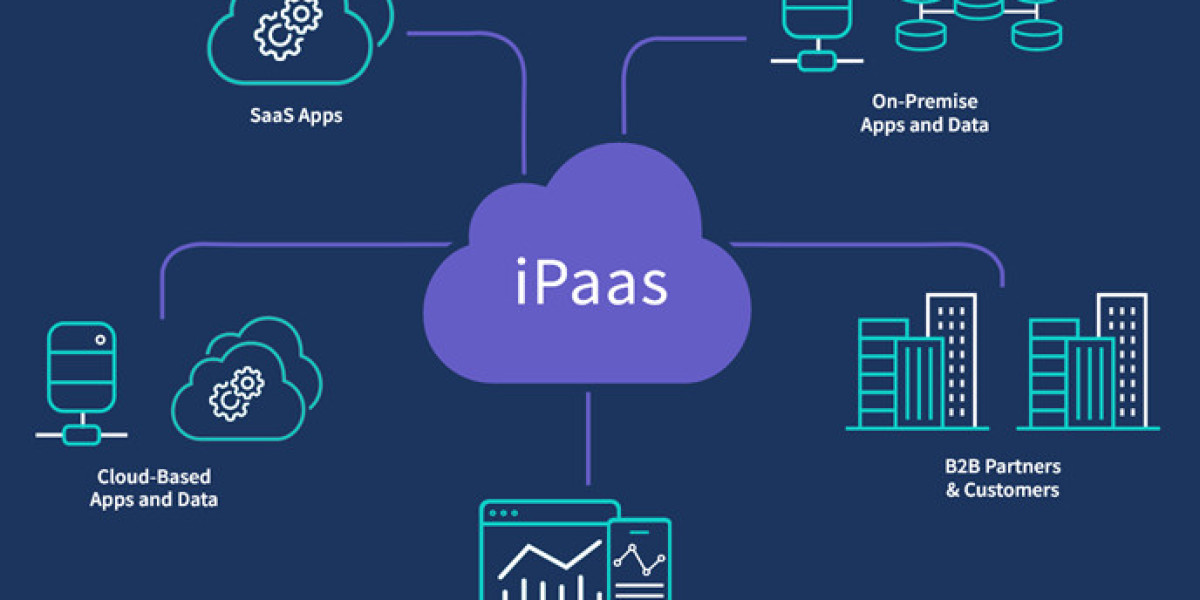
Integration Platform as a Service (iPaaS), is a cloud-based service that connects various applications, systems, and data sources into one central hub for easy integrating cloud services with on-premise systems without complex coding or middleware integration. By eliminating data silos across your enterprise and making information more easily accessible and actionable iPaaS provides organizations with tools for automating workflows, synchronizing apps, and creating seamless communication among disparate software systems.
Companies using iPaaS can leverage real-time data integration to streamline operations and increase efficiencies, unlike traditional integration methods which often offer only limited flexibility and cost effectiveness solutions. Businesses can utilize multiple apps across environments while streamlining processes while guaranteeing data consistency and reliability.
Key Components of an iPaaS
An iPaaS platform typically comprises integration tools, connectors, APIs and monitoring dashboards - these components enable seamless data movement and process automation across multiple applications. Pre-built connectors help streamline integration while APIs give developers flexibility in expanding functionality or customizing workflows. Finally, monitoring analytics provide visibility into integration performance so organizations can detect issues swiftly and resolve them promptly.
These components work in concert to ensure applications operate effectively, giving businesses end-to-end visibility of data flows and streamlining processes without needing technical expertise. Furthermore, iPaaS reduces integration complexity while supporting fast deployment of digital initiatives.
Benefits of iPaaS Solutions
The advantages of iPaaS go well beyond simple connectivity. By facilitating real-time data synchronization, it enhances decision making and operational efficiency while giving employees access to accurate and consistent information that reduce errors while increasing productivity. iPaaS also facilitates rapid application deployment allowing businesses to respond rapidly to changing business requirements.
iPaaS helps organizations save costs by minimizing the need for costly IT infrastructure and specialist integration teams, and by speeding time-to-value for new initiatives thereby increasing competitiveness. Cloud native architecture ensures scalability and flexibility allowing businesses to integrate additional applications as their needs shift over time.
Integrating Cloud Applications
Cloud integration is at the core of iPaaS. Businesses of today rely on numerous cloud-based apps like CRM, ERP and marketing platforms; with these applications communicating seamlessly between each other via iPaaS to maintain consistent data across applications while supporting hybrid integration between on-premise services and cloud services efficiently.
By offering a central platform, iPaaS simplifies managing multiple integrations. Cloud integration provides businesses with better collaboration, data accuracy and operational efficiency; businesses can focus on strategic initiatives rather than managing disconnected systems, leading to smoother workflows and enhanced customer experiences.
Application Interoperability through iPaaS Interoperability is one of the key advantages of iPaaS. This service enables different software systems to interact and exchange data seamlessly without manual transfers or complex code being needed between systems; rather iPaaS provides an infrastructure bridge between legacy applications and modern cloud services to create a unified IT ecosystem.
Interoperability increases business agility by enabling processes and data to flow freely across applications, without disrupting current operations. Furthermore, iPaaS supports consistent integration standards which facilitate maintenance and future upgrades more smoothly.
Enhancing Business Processes with iPaaS
iPaaS improves business processes by automating workflows and connecting key systems. Manual tasks, such as data entry or report generation, can be simplified for reduced operational overhead and improved accuracy, freeing employees up to focus on more meaningful activities or strategic initiatives.
Process optimization is of utmost importance in modern businesses, and iPaaS ensures that systems work together seamlessly. Real-time access to data enables better decision-making while notifications and alerts enable proactive management of operations resulting in responsive, agile, and efficient business processes.
Digital Transformation With iPaaS Digital transformation initiatives often require seamless integration of various technologies. iPaaS plays an essential role in supporting digital strategies by connecting legacy systems, cloud applications and emerging technologies such as AI and IoT; providing the infrastructure required to drive innovation and scaled growth.
By centralizing integration efforts, iPaaS simplifies digital transformation efforts for businesses. New technologies can be adopted faster without disrupting current processes; supporting the creation of a connected enterprise and encouraging collaboration, data-driven decision making and innovation.
Security and Compliance Considerations
Security is of utmost importance in an iPaaS deployment, especially as cloud integration involves sensitive data that must be protected with appropriate safeguards. Most platforms provide encryption, access controls, and audit trails as protections that ensure data integrity as well as regulatory compliance.
Compliance with industry standards is of utmost importance for organizations in industries like healthcare, finance, and government. iPaaS helps organizations meet these standards by offering central control over data access and movement. By including security and governance features into their solutions, businesses can significantly lower risks associated with data breaches while simultaneously guaranteeing safe operations.
Scalability and Flexibility of iPaaS One of the hallmarks of an iPaaS service is scalability. Businesses can begin with just one integration and expand as their needs increase; its flexible architecture supports both small-scale deployments as well as enterprise-wide integration projects, so organizations can adapt quickly to evolving business requirements without overhauling IT infrastructure.
This flexibility enables innovation and experimentation with new applications and technologies, giving companies the ability to test out solutions, integrate them seamlessly into existing workflows, and scale successful initiatives quickly - essential in today's fast-paced digital landscape. iPaaS provides this agility.
Future of Integration Platform as a Service
The future of integration Platform as a Service lies in intelligent and automated integrations. Advanced platforms increasingly incorporate AI/machine learning technology to optimize workflows, detect anomalies, and recommend improvements; while predictive analytics and smart connectors will further increase integration efforts' effectiveness.
Top Trending Reports -
China Wholesale Telecom Carrier Market Trends